
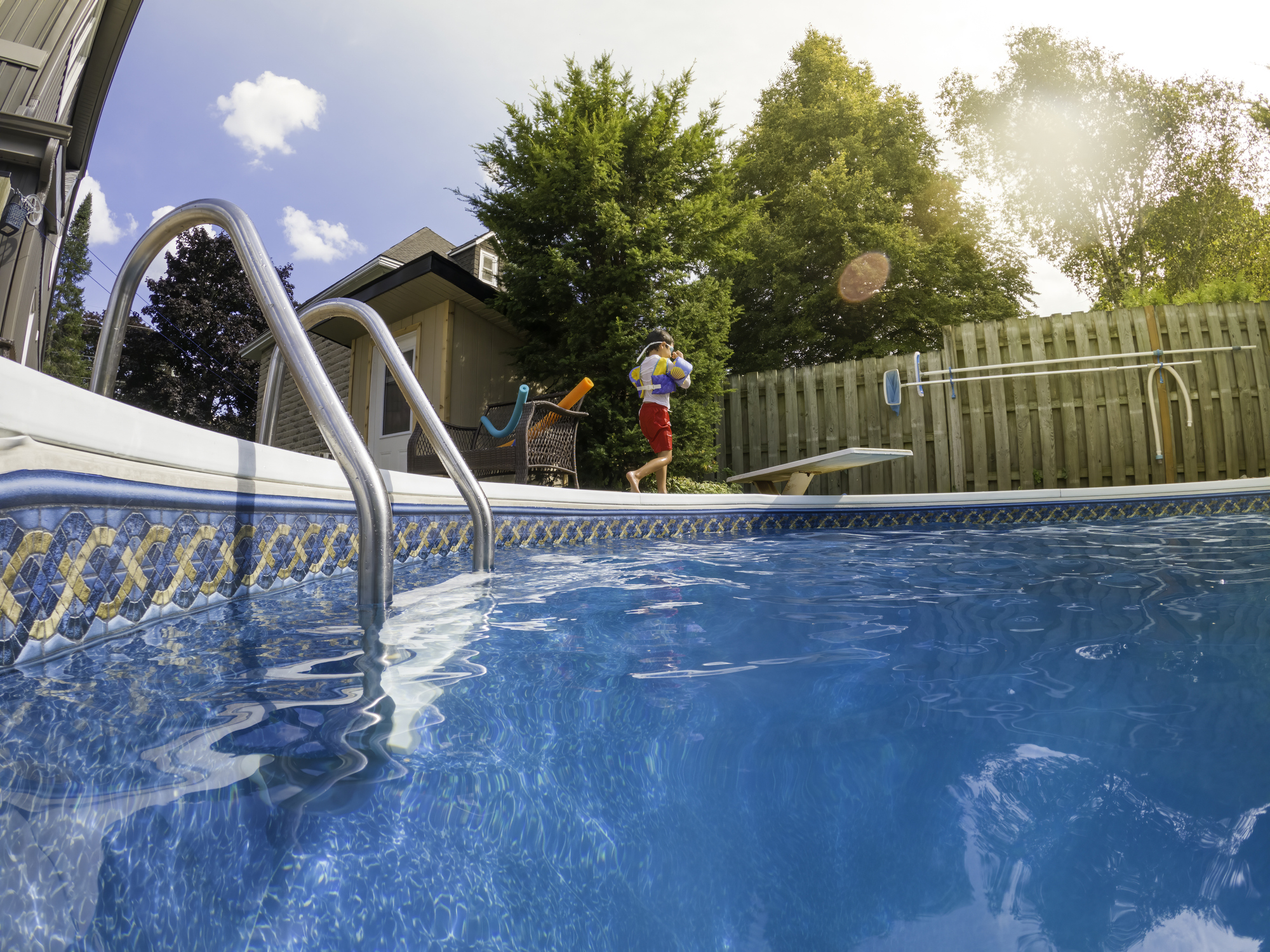
Safety is the Number One Priority Around Water: In Florida many of us are enjoying the lakes, rivers, springs, and beaches that surround our communities. DOH-Putnam offers planning and precautions everyone can use to safely enjoy their outdoor summer fun.
Awareness and Attention are Keys to Water Safety: Water safety is the number one priority, with drowning being a fast and silent killer and the leading cause of unintentional death to children ages 1-4. Drowning can happen to anyone, and it only takes a few minutes of distraction, and a couple of inches of water in a bathtub, a pool, or a bucket.
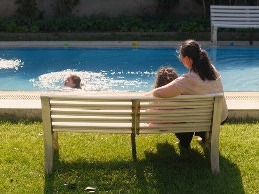
Supervision is the first and most crucial protection
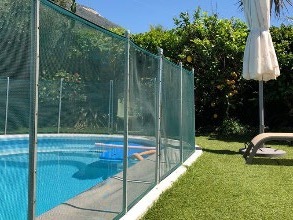
Barriers and alarms like gates, fences, walls, doors, and windows physically block access to pools
three layers of protection help prevent drowning
Layer one
Supervision is the first and most crucial protection. This means a responsible person, usually an adult, is not distracted and is always actively watching when a child or vulnerable person, is in, on, or around the water.
Layer two
Barriers and alarms like gates, fences, walls, doors, and windows physically block access to pools. Four-sided fencing with self-closing, self-latching gates, pool safety covers, and alarm systems help prevent children and unauthorized adults from accessing water when unsupervised. Remove all toys so children are not tempted to play near pools.
Layer three
Preparedness includes having a phone nearby to immediately call 911 in an emergency. Know your location, what type of emergency, and what help is being administered. It is also important to learn CPR with breaths and first aid.
Watch Where You Swim: Water safety includes avoiding freshwater and saltwater algae blooms and other organisms. Before going in the water, be alert for posted caution signs at lakes, rivers, and beaches, and check the news for water advisories.
- Harmful Algal Blooms
Algae are plant-like organisms that sustain marine life, contribute to the food chain, and oxygenate to keep waterbodies healthy. When conditions are right—often warm water and increased nutrients—certain algae can quickly grow and overpopulate. Algae blooms are foam or scum-like masses and some blooms release toxins that harm ecosystems, animals, and people. Harmful algal blooms (HABs) occur in saltwater, freshwater, and brackish waterbodies in summer and early fall. Check for HABs on the Protecting Florida Together, watch for caution signs, and avoid areas where HABs are present. Blue green algae occur in freshwater and red tide may be present in salt water. - Prevent Vibrio Infections
Vibrio vulnificus is a naturally occurring bacteria in warm, brackish seawater. Most people get vibriosis by eating raw or undercooked shellfish, particularly oysters, and by making direct contact with seawater with an open wound. Vibrio vulnificus infections can be a serious concern for people with weakened immune systems, especially chronic liver disease. - Be Cautious of PAM
Primary amebic meningoencephalitis (PAM) is a rare brain infection caused by Naegleria fowleri, an ameba. Typically, infection occurs when the ameba enters through the nose and travels to the brain and spinal cord where it destroys brain tissue. PAM is contracted in bodies of warm fresh water, such as rivers, lakes, hot springs, and ponds. Although the occurrence of PAM is rare, there is still a possibility of contracting it. Generally, during periods of high-water temperature and low water levels, exposure to the ameba happens during activities like swimming, diving, or water skiing when water is forced up the nose. To prevent Naegleria fowleri infection in warm freshwater, use nose clips, hold your nose shut, or keep your head above the water. Avoid digging in or stirring up the sediment on the bottom of the water body. The only known way to prevent PAM infections is to refrain from water-related activities when water temperatures are high and water levels are low.